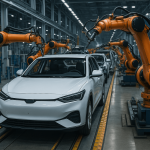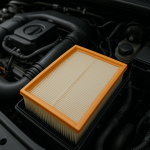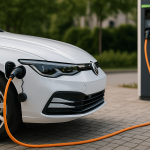







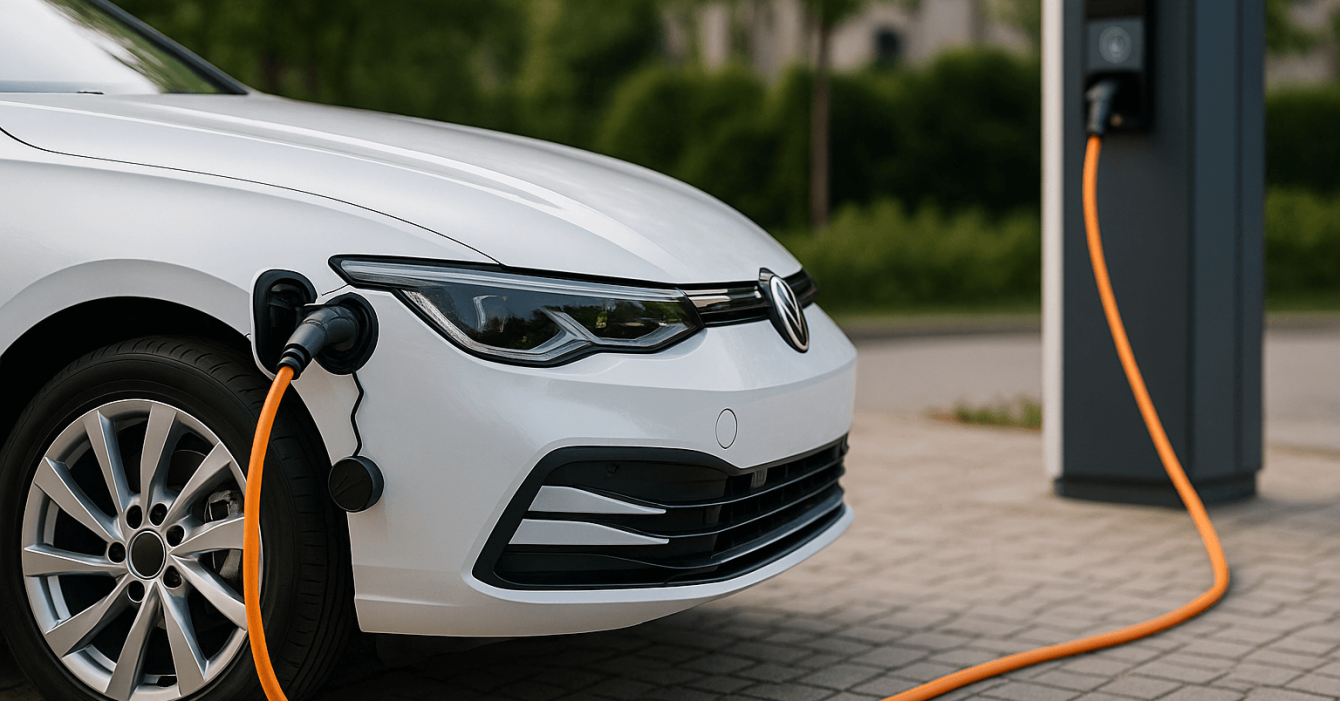
- The rise of electric vehicles (EVs) has started a new era in the automotive spare parts industry. Traditional internal combustion engine components have now been replaced by battery systems, inverters, charging components, and advanced cooling solutions. In this article, we will examine the next-generation spare part needs created by electric vehicles, the transformation in the industry, and important tips for drivers.
1. The Change Electric Vehicles Have Brought to the Automotive World
While components such as engine blocks, pistons, and spark plugs stood out in internal combustion engine vehicles, the picture has completely changed in EVs. In the spare parts ecosystem:
-
Battery packs have become critically important.
-
Electric motors have replaced internal combustion engines.
-
Power electronics modules have become one of the most important factors determining vehicle efficiency.
Electric vehicles have created a completely different ecosystem in the spare parts market.
2. The Most Needed Components in Electric Vehicles
Battery Systems
-
It is the most expensive component of an EV.
-
Regular maintenance and cell replacements may be required.
-
Recycling solutions are rapidly developing.
Inverters and Power Electronics
-
Converts electrical current for the motor.
-
In case of failure, it directly affects the operation of the vehicle.
Cooling and Thermal Management Systems
-
Vital for battery safety.
-
Special liquid cooling systems are becoming widespread.
Charging Components
-
Fast charging sockets, cables, and adapters are constantly evolving.
-
Spare parts compatible with standards in different countries are required.
3. Maintenance and Repair Dynamics in Electric Vehicles
EVs require less maintenance compared to traditional vehicles, but they still have critical points:
-
Periodic battery inspections → Essential to prevent capacity loss.
-
Electric motor maintenance → Contains fewer parts but requires expertise.
-
Software updates → Often performed OTA (Over-The-Air) instead of at service centers.
4. Challenges Faced by the Industry
Some challenges related to electric vehicle spare parts still continue:
-
High costs → Especially battery replacement is very expensive.
-
Lack of standards → Different brands have different charging solutions.
-
Lack of expertise → There are few trained technicians for EV maintenance.
Electric vehicle components bring new challenges in terms of both cost and technical expertise.
5. Türkiye and Electric Vehicle Components
The rapid growth of the electric vehicle market in Türkiye is encouraging local manufacturers to invest in next-generation components.
-
Domestic battery production projects are accelerating.
-
Charging stations are becoming widespread across the country.
-
In the aftermarket sector, new opportunities are emerging.
6. Future Expectations
Innovations expected to stand out in the EV spare parts world in the coming years:
- Longer-lasting battery technologies.
- Modular battery replacement systems.
- Fully sensor-equipped and smart components.
- Formation of global standards (charging and battery compatibility).
Battery modules, cooling systems, and charging components are the most frequently replaced parts.
Yes. Due to having fewer mechanical components, maintenance requirements are lower.
Generally between 8–10 years, but it may vary depending on usage conditions.
Yes, but since the market is still developing, battery and fast-charging components may be limited in particular.
Yes. With mass production and domestic manufacturing projects, costs are expected to decrease.