






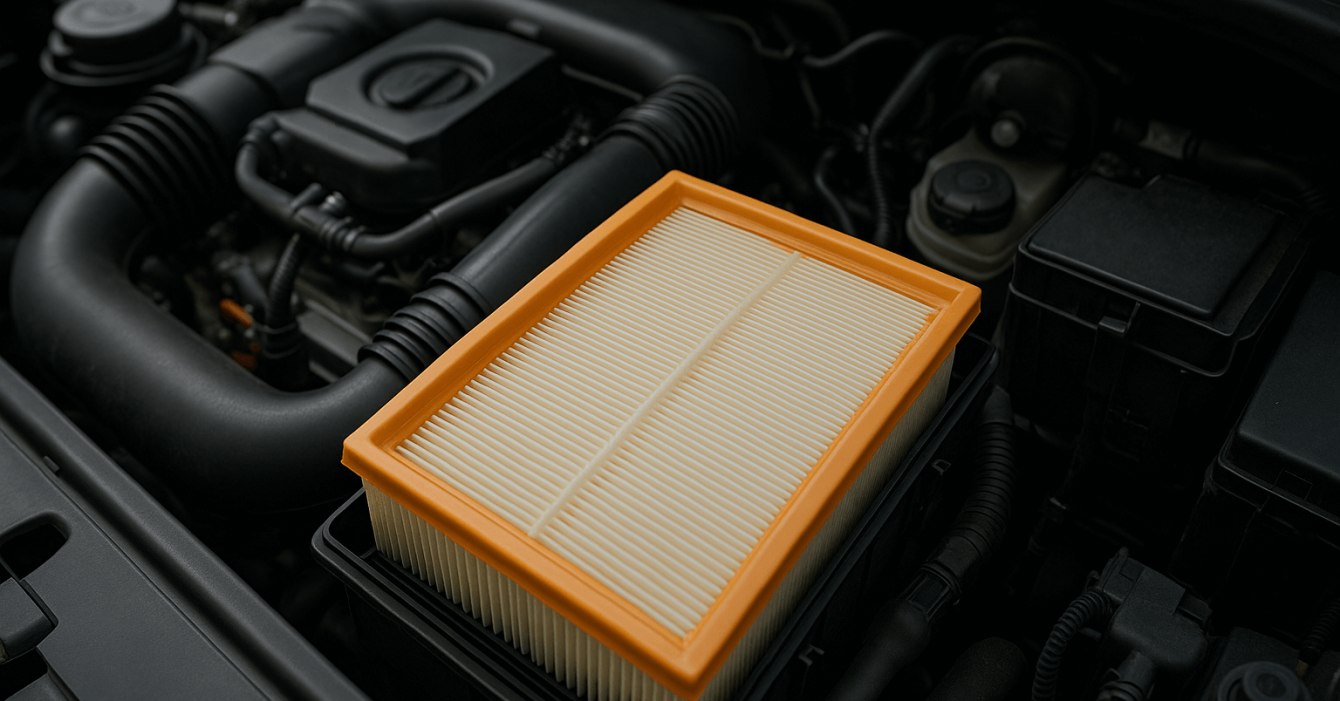
- One of the most critical factors for engine performance and long-lasting operation is choosing the right air filter. An incorrect or low-quality air filter increases fuel consumption, causes engine wear, and leads to performance loss. In this article, the importance of the air filter, selection criteria, lifespan, and practical tips for drivers are discussed in detail.
1. The Importance of the Air Filter for the Engine
An engine needs clean air as much as fuel to operate properly. The air filter cleans this air from dust, dirt, and harmful particles before delivering it to the engine.
-
Clean air = more efficient combustion
-
Dirty air = early engine wear
-
Correct filter = longer engine life
The air filter, which is the heart of the engine, is one of the most important factors determining the lifespan of the vehicle.
2. Damages Caused by Using the Wrong Filter
Using an incorrect or low-quality air filter can create serious costs for drivers.
-
Increase in fuel consumption
-
Decrease in engine performance
-
Risk of clogging in turbochargers and injectors
-
Increase in exhaust emissions
In short, the wrong air filter harms both the environment and your vehicle.
3. Criteria for Choosing the Right Air Filter
There are some basic points drivers should pay attention to for the right selection:
- Vehicle compatibility → A compatible filter should be selected according to the chassis number.
- Brand and quality → Products complying with ISO standards should be preferred.
- Filtration capacity → It should have a high dust retention rate.
- Airflow balance → It should provide optimum airflow without excessive clogging.
- Warranty and certifications → Should be purchased from authorized distributors.
4. Air Filter Lifespan and Replacement Frequency
The lifespan of an air filter depends on the vehicle type, usage intensity, and environmental conditions.
-
In heavy city traffic → Replacement is required every 10,000–15,000 km.
-
In dusty and harsh terrains → It should be checked more frequently (every 7,000–10,000 km).
-
In long-distance driving and clean air conditions → It can last up to 20,000 km.
Replacing the air filter regularly can extend engine life by up to two times.
5. OEM vs Aftermarket Air Filter Comparison
Drivers generally face two options in the market:
OEM (Original Equipment Manufacturer)
- Recommended by the vehicle manufacturer.
- Higher quality and longer lifespan.
- Generally more expensive.
Aftermarket
- Compatible but produced by different brands.
- May offer better price/performance balance.
- Quality may vary.
6. Common Mistakes When Choosing an Air Filter
The most common mistakes made by drivers:
-
Focusing only on price → Cheap products may cost more in the long run.
-
Choosing the wrong size for the vehicle → Reduces engine performance.
-
Ignoring replacement intervals → Increases fuel consumption.
-
Buying from low-quality sellers → Creates a risk of counterfeit products.
7. Future Air Filter Technologies
The following innovations in air filters are expected to stand out in and after 2025:
-
Nanotechnology coatings for longer lifespan.
-
Eco-friendly bio-based materials.
-
Smart sensor-equipped filters → Notify the driver in case of clogging.
Generally every 10,000–15,000 km, but it may vary depending on usage conditions.
Yes. Cheap filters perform poorly and may damage the engine.
If purchased from quality brands, it is safe; however, it must be certified.
An increase in fuel consumption, reduced engine performance, and changes in engine noise may occur.
Regular maintenance and clean operating conditions can extend its lifespan; however, it must still be replaced after a certain mileage.